
The 3-to-1 Balanced Plate: A Simple Guide to High Fat Living
If you have been looking into high fat nutritional styles, you might have come across the 3-to-1 ratio. It sounds like a math equation, but it is actually a straightforward way to rethink how you build your meals.
This approach focuses on fueling your body primarily with fats while keeping other nutrients in a specific supporting role. Here is a simple way to understand how it works and how to make it feel natural in your kitchen.
What is the 3-to-1 Ratio?
The 3 represents Fats, and the 1 represents Proteins and Carbohydrates combined.
In the simplest terms, for every 1 gram of protein and carbohydrates you eat, you aim to eat 3 grams of healthy fats. Because fat is more energy dense than the other two, this ratio creates a plate where the vast majority of your energy comes from fat sources.
Think of it as a shift in priority. Instead of fat being a garnish or something used just for cooking, it becomes the main source of fuel on your plate.
One of the most valuable insights for the 3-to-1 ratio is understanding the difference between volume and energy.
Because fat is so dense, a 3-to-1 plate actually looks very small compared to a standard meal. If you try to eat the same physical volume of food you are used to, you might feel uncomfortably full. Here are a few deeper insights to help you navigate this transition.
How to Build Your Plate
To make this work without needing a calculator for every snack, you can visualize your meal in two categories.
- The Foundation (The 3)
This is your primary fuel. You will want to reach for rich, whole food fat sources.
- Liquid Gold: Extra virgin olive oil, avocado oil, and melted butter.
- Whole Foods: Fresh avocados, olives, and heavy cream.
- Crunchy Additions: Macadamia nuts, pecans, and walnuts.
- The Support (The 1)
This side of the ratio includes your protein and your fiber rich plant foods.
- Protein: Moderate portions of fish, beef, poultry, or eggs.
- Plants: Leafy greens like spinach, or earthy vegetables like asparagus, zucchini, and cauliflower.
The Dressing Up Secret
The easiest way to hit a 3-to-1 balance is to dress up your proteins and vegetables. Since protein is often leaner than the 3-to-1 rule requires, you simply add a high fat companion to bridge the gap.
- Eating a piece of salmon? Top it with a thick lemon butter sauce.
- Having a bowl of spinach? Toss it in plenty of olive oil and add some crumbled goat cheese.
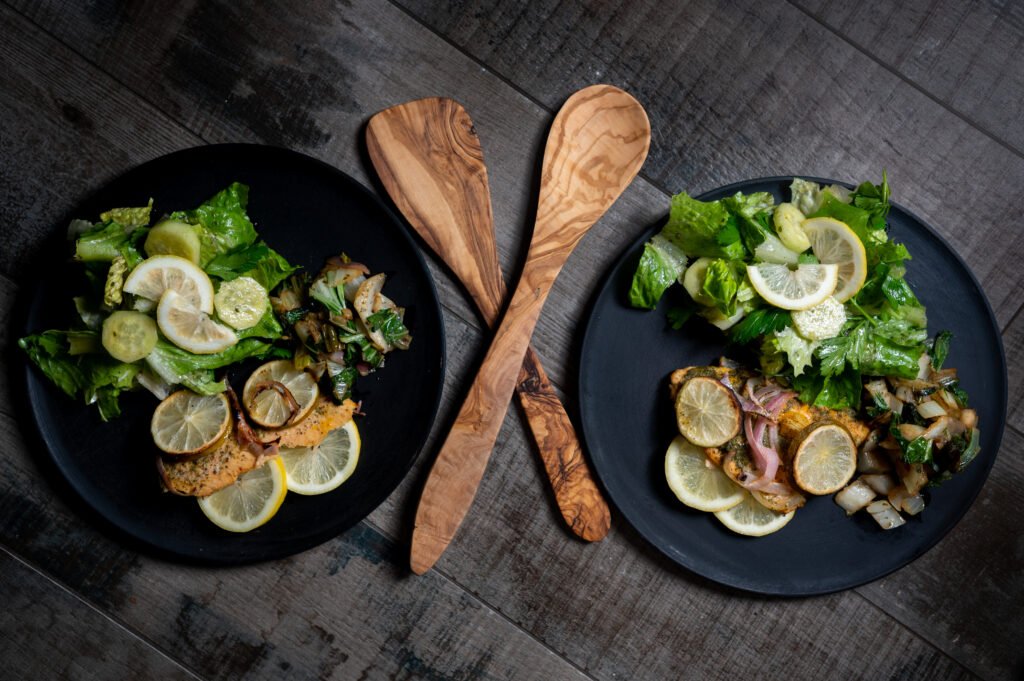
Grilling chicken thighs? Keep the skin on and serve it with a side of sliced avocado.
- The Hidden Role of Salt
When you shift to a high-fat, very low-carbohydrate style of eating, your body processed minerals differently. Your kidneys tend to release sodium more quickly.
If you feel a bit sluggish or get a headache, it is often not a lack of food, but a lack of salt. Being generous with high-quality sea salt on your meals is usually a necessary part of making this ratio work.
- Temperature Matters for Palatability
Eating a high volume of fat can be an adjustment for your palate. Many people find that “hidden” fats are much easier to enjoy than “visible” fats.
- Cold Fats: These can sometimes feel heavy.
- Hot Fats: Blending fats into a hot broth or a creamy sauce makes them feel like a gourmet meal rather than a chore.
- The Protein Ceiling
In a 3-to-1 ratio, protein is a controlled variable. If you eat a very large steak, you would have to eat an enormous, almost impossible amount of fat to keep the ratio balanced.
The secret to success is choosing the fattest cuts of meat possible. For example, choose a ribeye over a sirloin, or a chicken thigh over a breast. This naturally brings the protein and fat closer together before you even add your oils or butter.
- Liquid Fuel
Many people find it difficult to eat all their fats through solid food. This is where high-fat beverages become a tool. Adding heavy cream to tea or blending a tablespoon of grass-fed butter into coffee can help you reach your 75% fat goal without feeling like you are overstuffing yourself at mealtime.
Why Tracking “Grams” is Better Than “Calories”
At first, it is helpful to look at the grams on the back of a label. Since the goal is 3 grams of fat for every 1 gram of [protein + carbs], the math becomes very simple.
- Example: If a snack has 3g of protein and 1g of carbs (4g total), you want that snack to have 12g of fat to stay perfectly on track.
Why It Is a Popular Choice
People often explore the 3-to-1 ratio when they want a structured, high fat approach that still allows for a variety of whole foods. It is a specific way of eating that prioritizes satiety, which is that feeling of being full and satisfied, by leaning into the richness of natural fats.
It turns every meal into something savory and substantial. It moves away from the light or diet foods of the past and embraces traditional, calorie dense ingredients.